Revolutionizing Call Center QA: The Power of AI in Monitoring Agent Performance
How AI changes call center QA: analyzing every interaction, spotting agent behavior patterns, and giving agents feedback right after each call.
InsightsUpdated 2 min read

Key takeaways
- AI analyzes far more calls than manual QA in a fraction of the time.
- It finds patterns in agent behavior, complaints, and sentiment that are hard to spot manually.
- Agents can get feedback right after each call.
- Bias is the main risk: train on unbiased data and audit models regularly.
Traditionally, call center QA involves manual monitoring of agent interactions with customers, which is a time-consuming and resource-intensive process. However, with the advent of AI, QA has become more streamlined, efficient, and effective. AI can now monitor and analyze a large volume of calls and interactions in a fraction of the time it would take a human analyst. By leveraging AI, call centers can reduce the number of resources needed for QA and ensure consistent, accurate evaluations of agent performance.
One of the most significant advantages of AI-based QA is its ability to identify patterns and trends in agent behavior that are difficult to spot manually. This includes identifying common customer complaints, agent response times, and even the tone and sentiment of customer interactions. By analyzing these patterns, call centers can make data-driven decisions to improve agent performance, training programs, and overall customer experience.
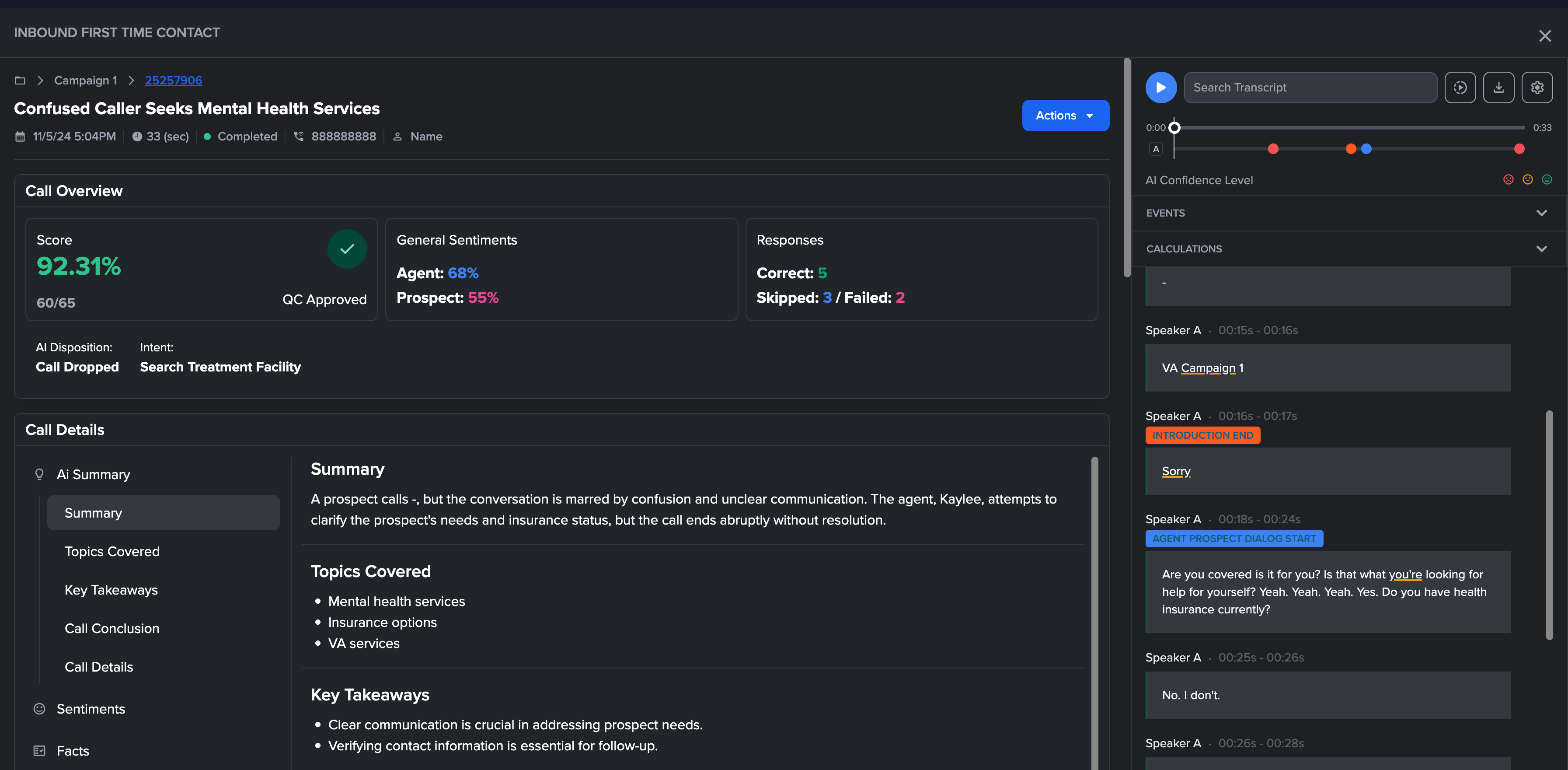
Another key benefit of AI-based QA is its ability to provide real-time feedback to agents. With AI-powered coaching, agents can receive feedback on their performance immediately after a call, enabling them to make corrections and improve their performance in real-time. This instant feedback loop helps agents to provide better service and deliver a more positive customer experience.
In addition to improving agent performance, AI can also help call centers to identify areas for improvement in their processes and policies. By analyzing customer interactions, AI can identify areas of friction and highlight opportunities to streamline processes and improve the customer experience. This can lead to increased customer satisfaction and retention rates, as well as improved business outcomes.
Of course, there are challenges associated with implementing AI in the call center QA industry. One of the most significant is the potential for bias in AI algorithms. To mitigate this risk, call centers must ensure that their AI models are trained on unbiased data and that they regularly review and audit their algorithms to identify and correct any biases that may arise.
In conclusion, AI is transforming the call center QA industry, providing call centers with more efficient, effective, and data-driven ways to monitor and evaluate agent performance. By leveraging AI, call centers can identify patterns and trends, provide real-time feedback to agents, and identify areas for improvement in their processes and policies. While challenges remain, the benefits of AI-based QA are clear, and I believe we'll continue to see more call centers adopt AI-powered solutions in the years ahead.
Frequently asked questions
Get the insider's news

More from OnScript News
Product Updates
OnScript API Is Coming: Voice Intelligence for Your Stack
The OnScript API is coming: speech-to-text, call scoring, tonality, sentiment, and conversation analysis as APIs. Join the early access waitlist.

Product Updates
Darby Is Now in Slack and Microsoft Teams
Ask Darby questions directly in Slack or Microsoft Teams and get answers from your OnScript data without switching tools or opening another app.
Product Updates
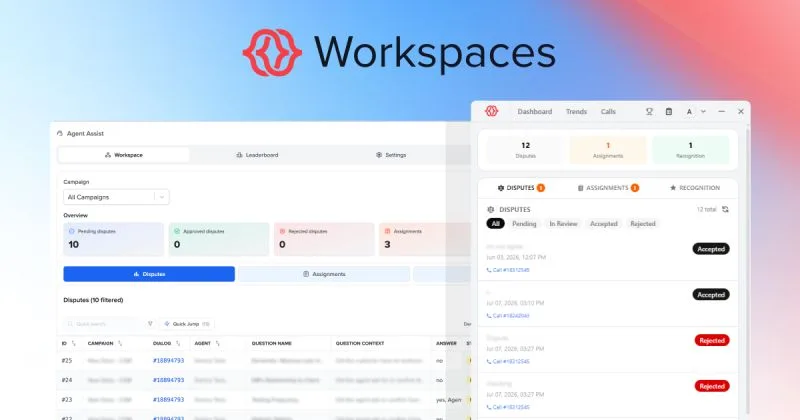
Introducing Workspaces: Disputes, Coaching Assignments, and Recognition in One Hub
Workspaces in OnScript AI bring scorecard disputes, coaching assignments, and recognition into one hub for managers and agents, on web and desktop.